


NON-SURGICAL LASER THERAPY FOR LUMBAR AND CERVICAL DISC HERNIATION
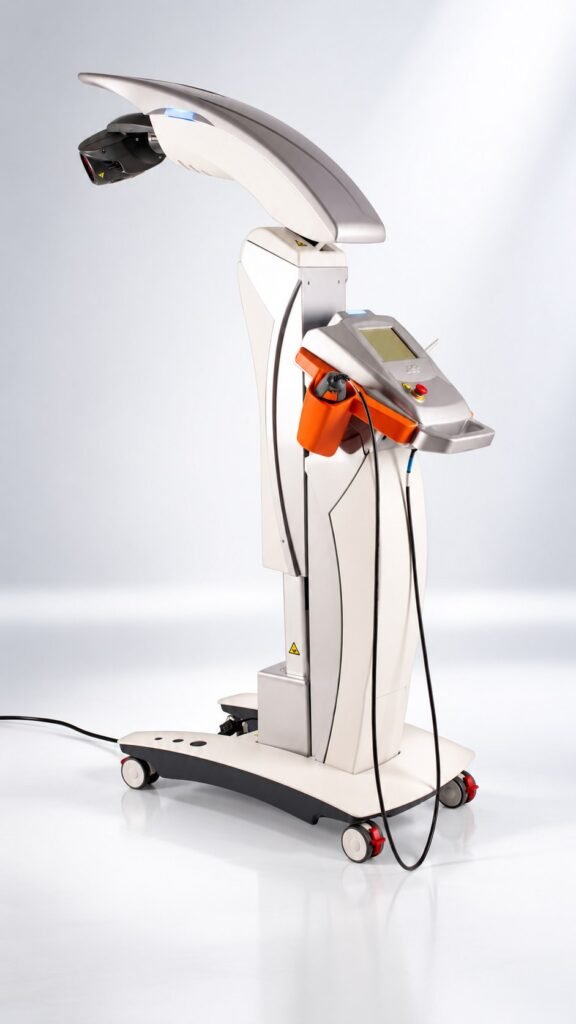
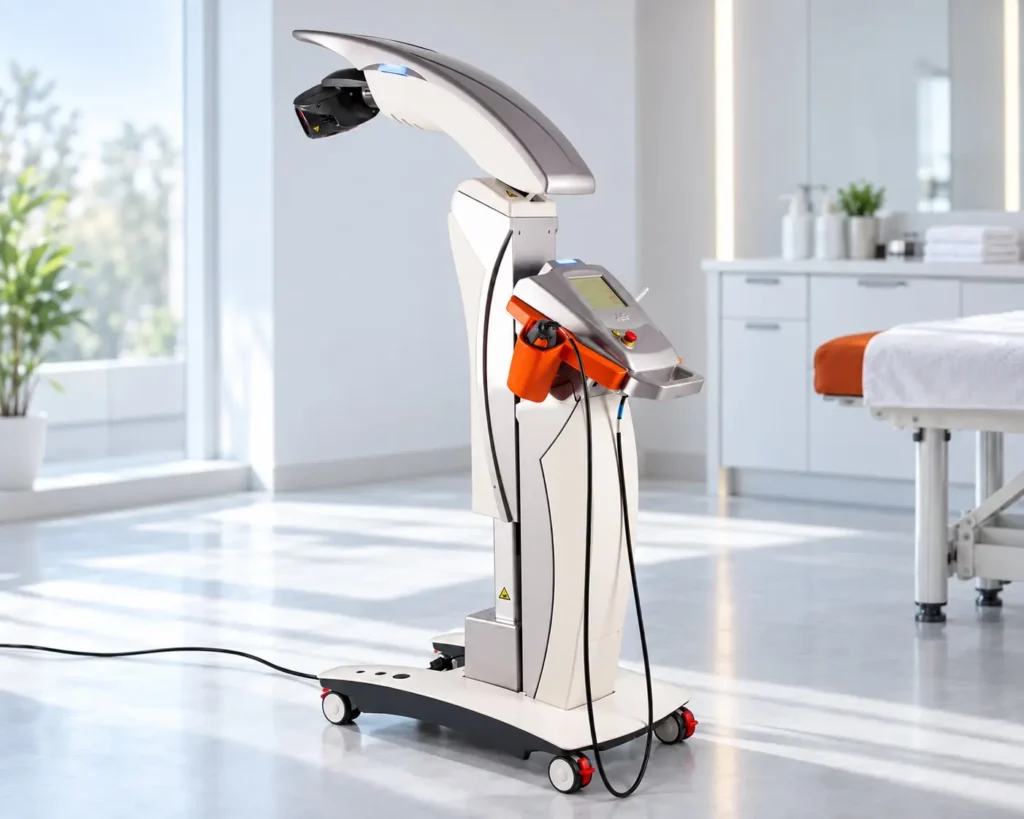
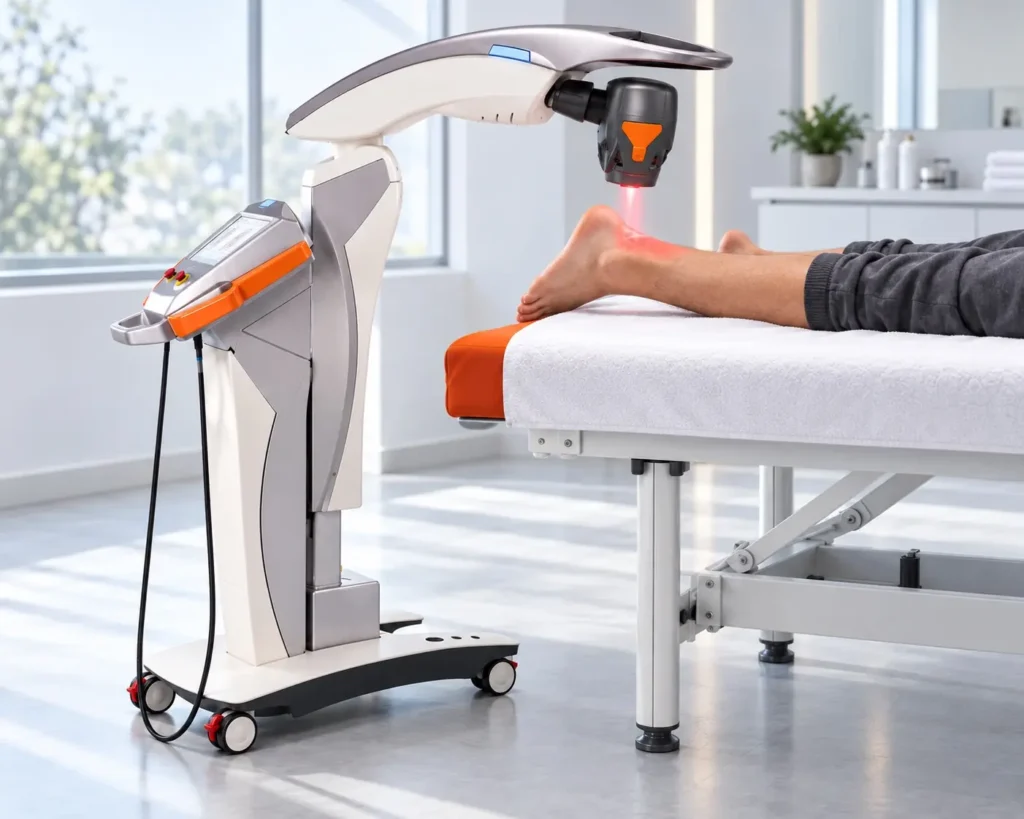
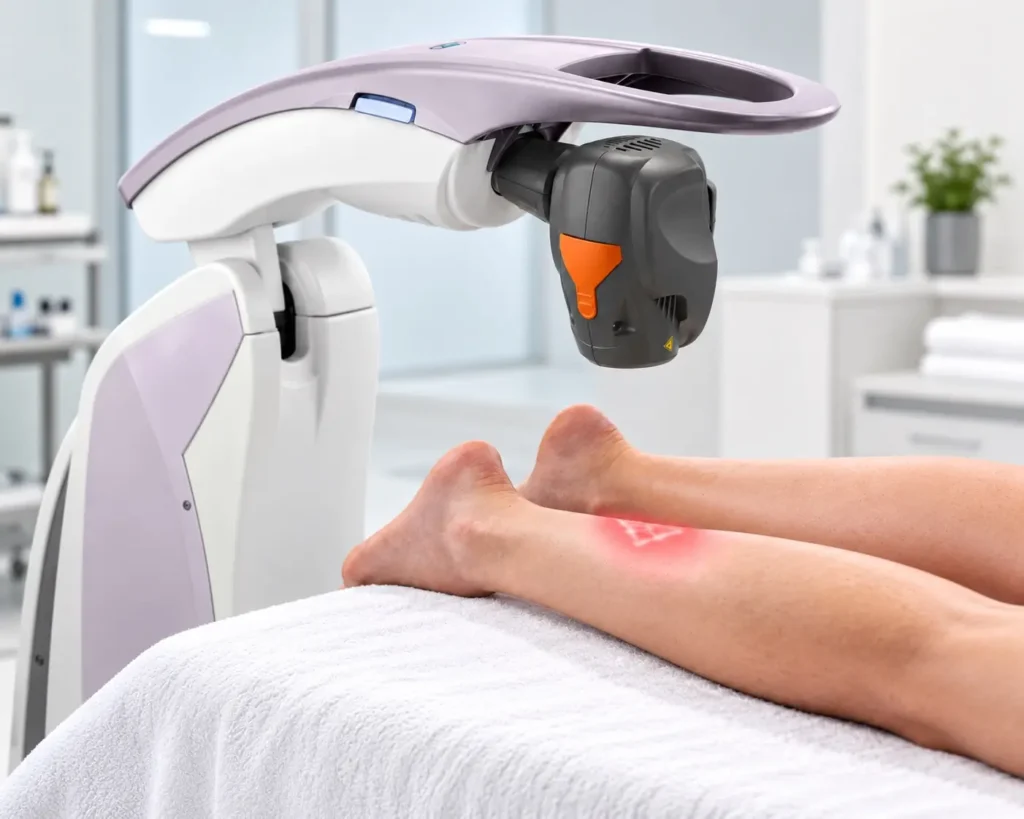
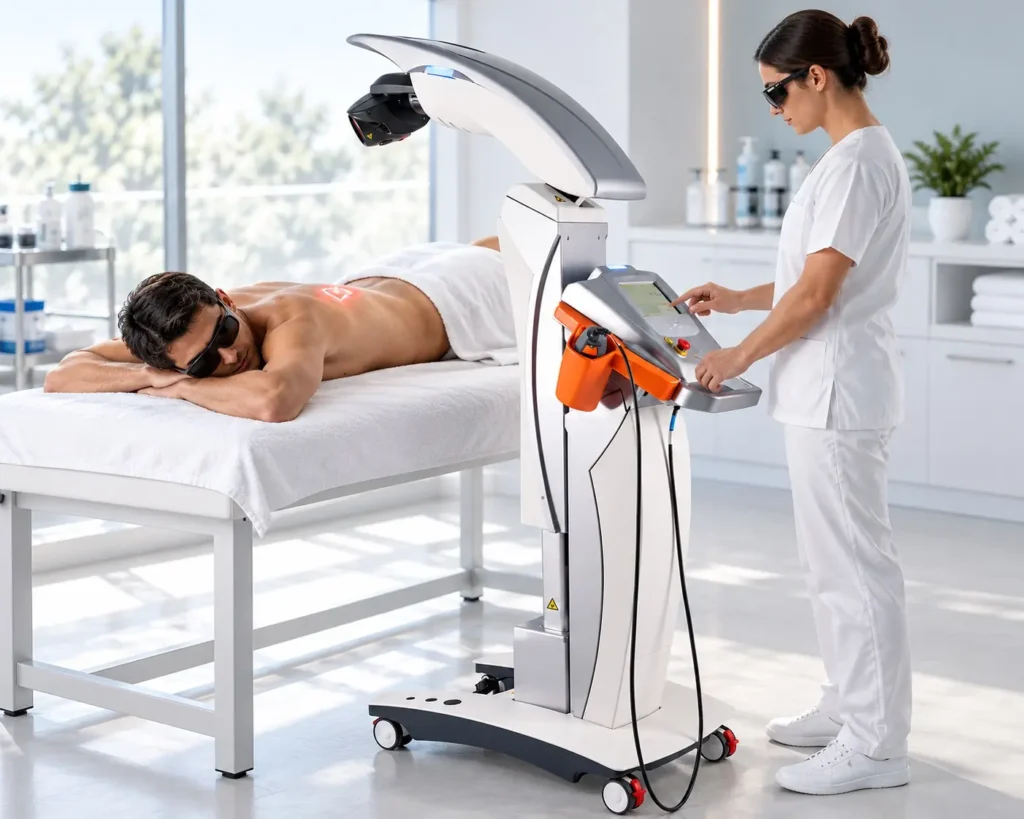
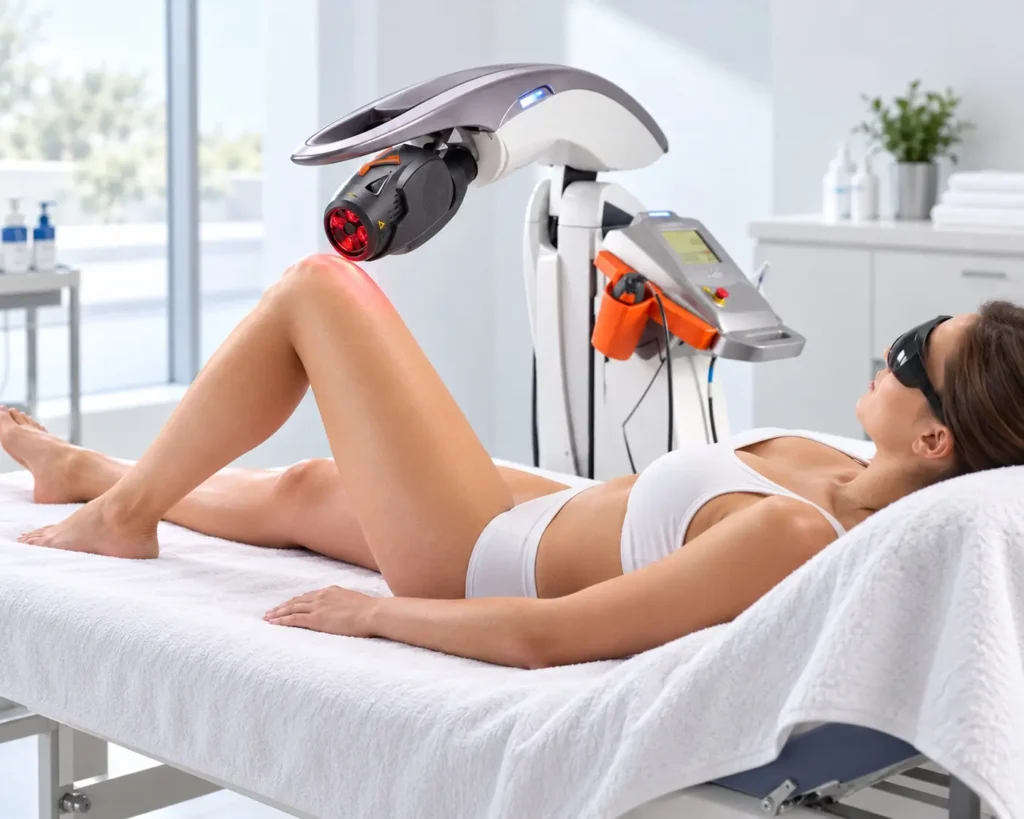
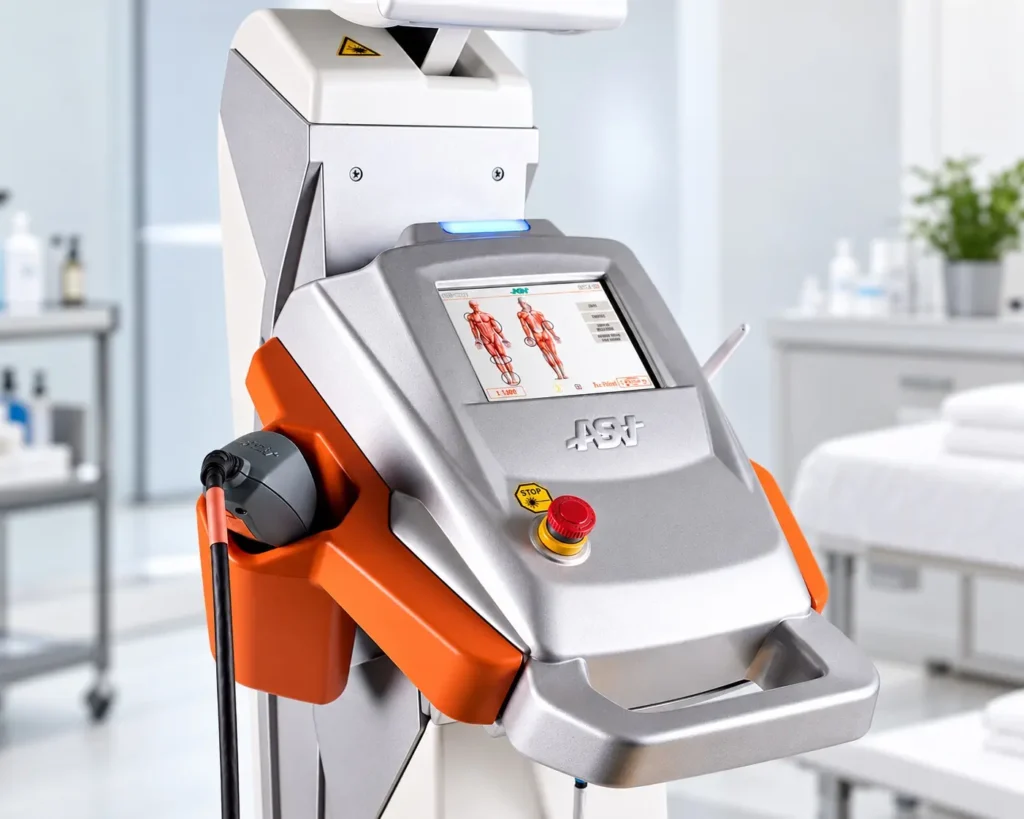
Representative device and application images: MLS M8. These are not clinical application photographs.
What Is MLS M8 Robotic Laser Therapy?
MLS M8 is a robotic laser therapy system developed by the Italian manufacturer ASA Laser. It uses light of two different wavelengths together and is considered a supportive option in the management of some pain originating from muscles, tendons, joints and the spine, and in the rehabilitation process.
During treatment, the robotic head automatically scans the determined area and does not touch the skin. It is not a surgical procedure; the physician decides whether the treatment is suitable and how it is planned.
Product image: ASA Laser MLS M8.
How Does the Robotic Technology Work?
Application with the MLS M8 robotic laser head (product image).
Two wavelengths, one application
808 nm continuous and 905 nm pulsed light are applied together in a synchronized manner.
Robotic head
The head automatically follows the area determined by the physician, in spot or scanning mode.
Contactless and comfortable
It works without touching the skin; no pressure is applied to the painful area.
For safety, the patient and everyone in the room wear protective laser goggles.
How Does MLS M8 Robotic Laser Therapy Start the Healing Process in Our Body?
MLS M8 is a robotic laser system that aims to support the biological response of tissues and natural healing mechanisms by applying two different laser wavelengths in a synchronized way.
View Details
The interaction of light with cells is called photobiomodulation. Research examines its possible effects on cellular energy processes, the inflammatory response and pain mechanisms.
According to the manufacturer's description, the continuous wave aims to contribute to edema and inflammatory processes, while the pulsed wave aims to contribute to the pain response.
The response varies according to the condition, the application parameters and the person's clinical characteristics.
The Four Key Effects of MLS M8 Robotic Laser
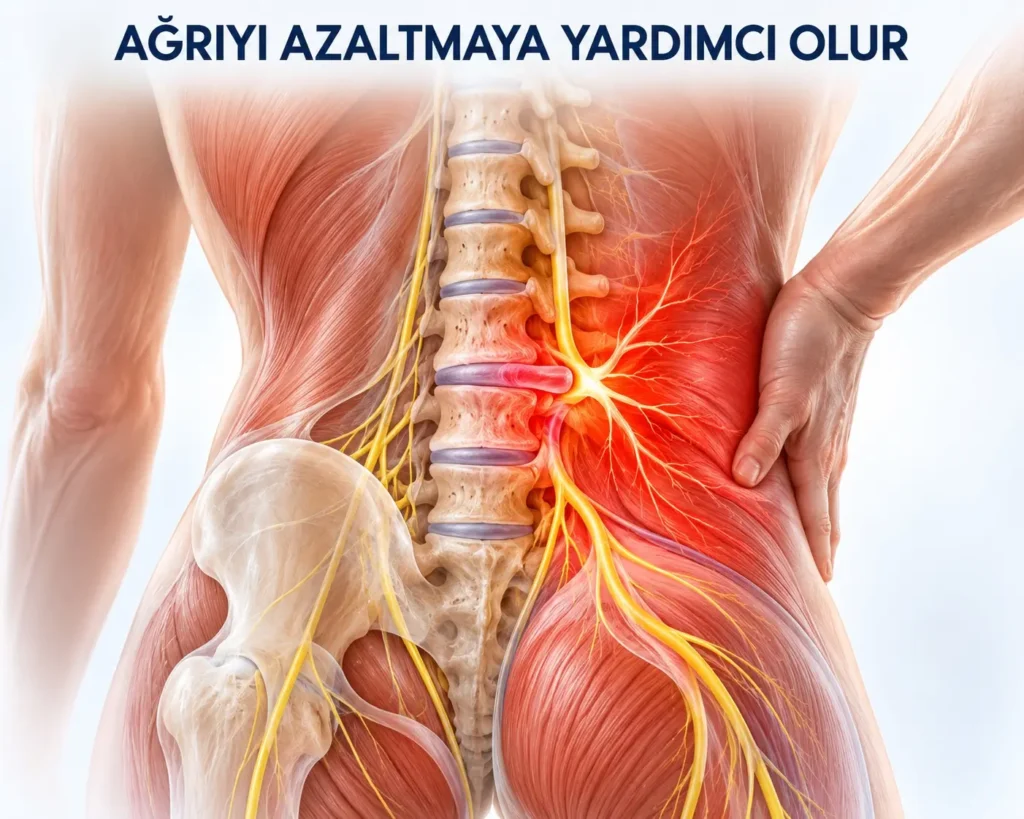
Helps Reduce Pain
In pain originating from muscles, joints, tendons and other soft tissues, the sensitivity of the nerve endings that carry the pain signal and the inflammatory chemical environment in the tissue play an important role.
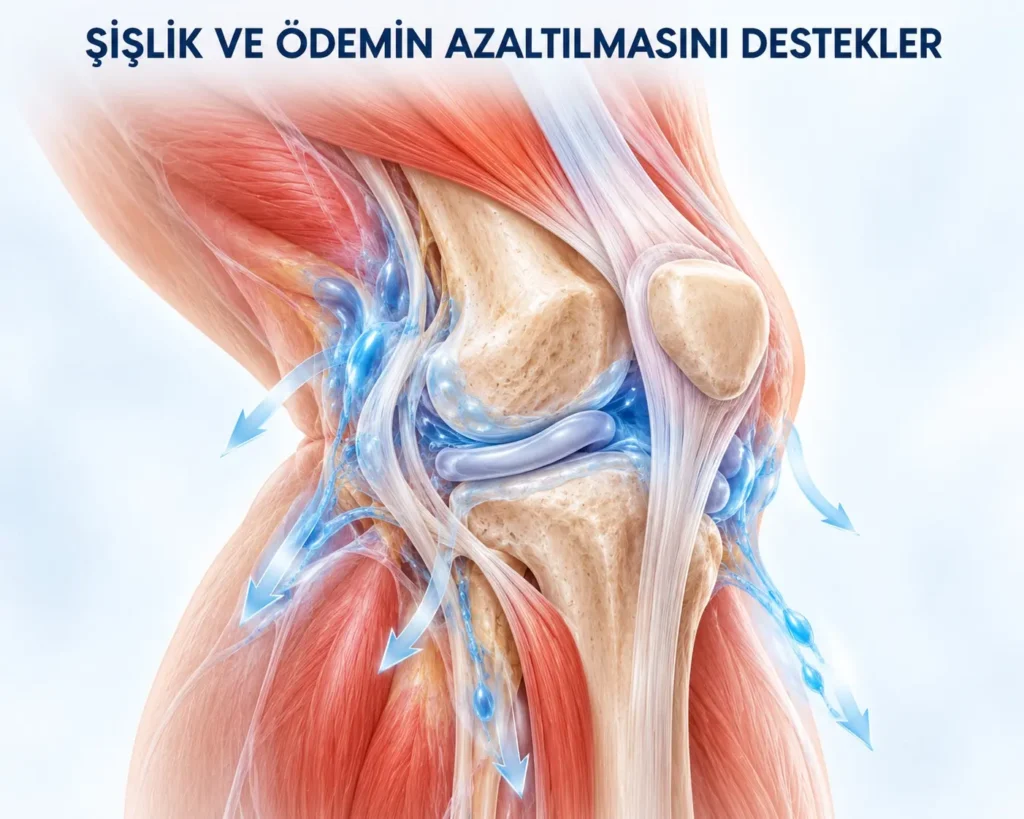
Supports the Reduction of Swelling and Edema
After injury or overload, tissue retains fluid and swells as a defense response; this inflammation is part of healing to a certain extent, but when it lasts too long it increases pain and limits movement.
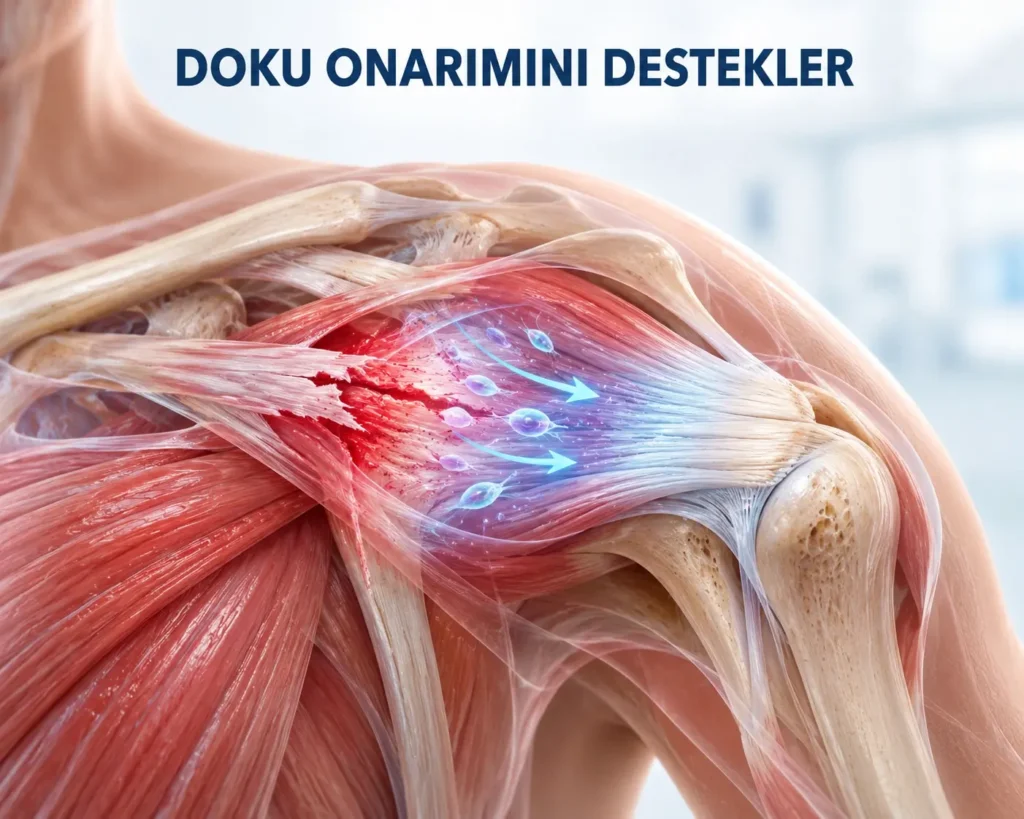
Supports Tissue Repair
Healing of muscle, ligament and tendon depends on the energy and protein production of cells.
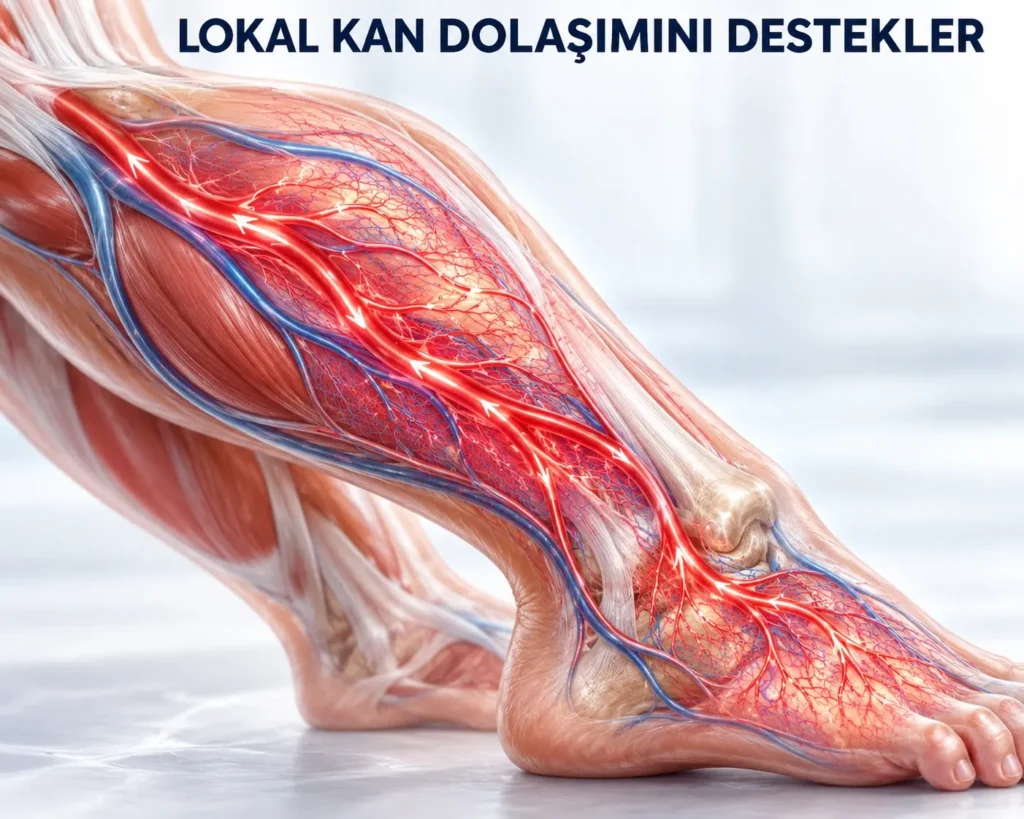
Supports Local Blood Circulation
Blood flow in the small vessels of tissues (microcirculation) determines the delivery of oxygen and nutrients and the removal of waste products.
Should MLS M8 Robotic Laser Therapy Be Preferred Instead of Classic Painkillers?
MLS M8 can be a non-drug supportive option for some muscle and joint pain. It does not directly replace painkillers.
View Details
Medications affect pain and inflammation throughout the body; MLS M8 is a local application to the selected area. The two do not do the same job.
Medication, exercise, physical therapy and laser are not definite alternatives to one another; depending on the complaint they can be planned together or separately.
Changing or stopping medication should only be done by the physician's decision.
MLS M8 in Lumbar and Cervical Disc Herniation
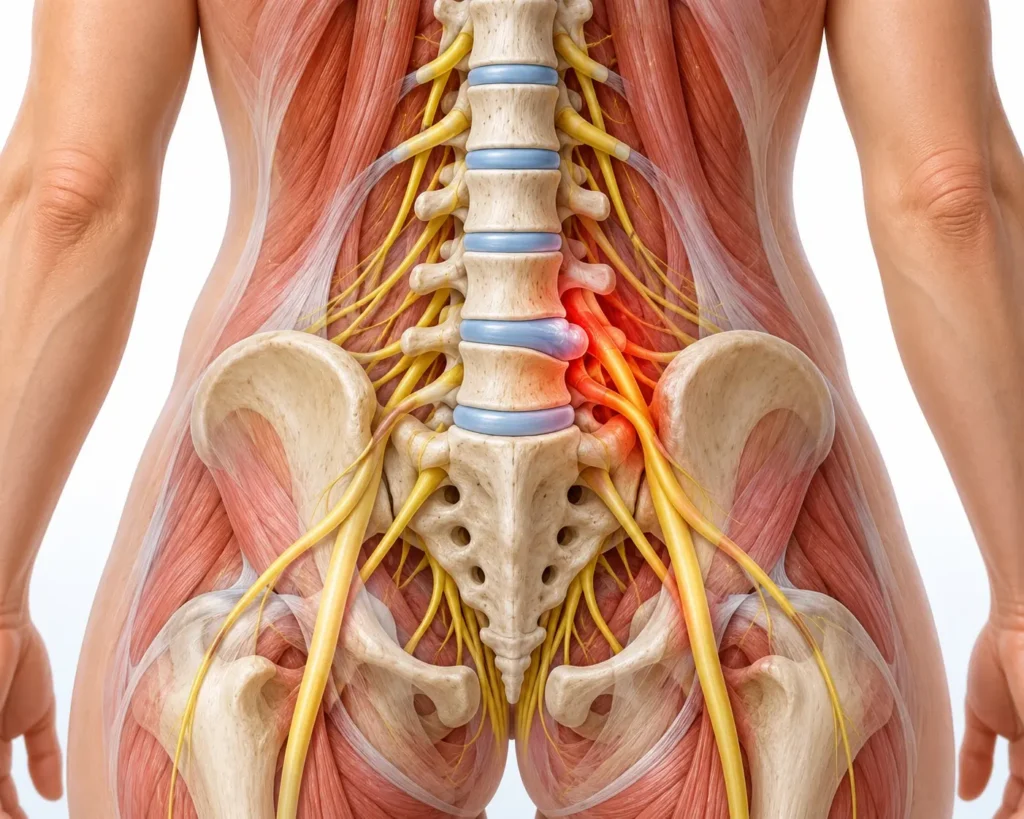
Lumbar Disc Herniation
MLS M8 does not aim to remove the disc; it aims to manage the muscle spasm and inflammation that accompany the pain. It is considered a supportive option together with physical therapy and exercise.
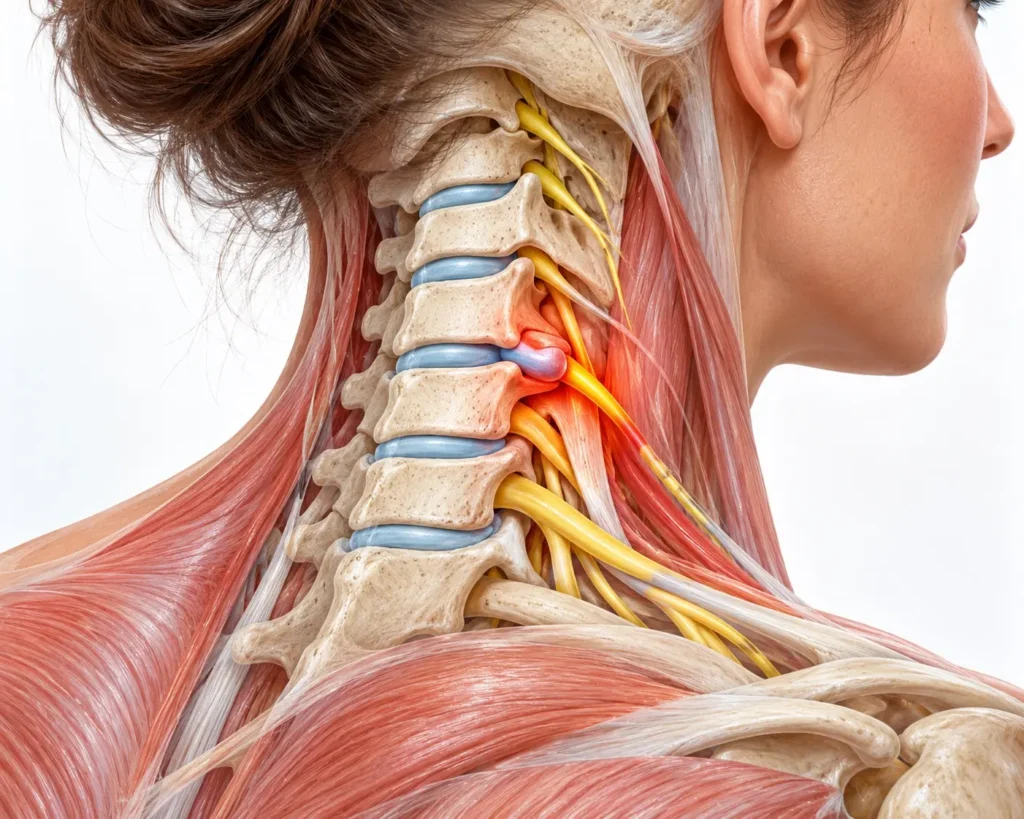
Cervical Disc Herniation
It is applied to support the reduction of spasm and pain in the neck and shoulder girdle. It has not been proven to shrink disc tissue.
Urgent evaluation may be needed: in case of progressive weakness in the leg or arm, impaired bladder or bowel control, or sudden severe pain, a physician should be consulted without waiting for laser treatment.
Is MLS M8 Robotic Laser Therapy Effective in Non-Surgical Treatment of Lumbar and Cervical Disc Herniation?
In suitable patients, MLS M8 can support a non-surgical treatment plan in the management of pain and muscle spasm accompanying lumbar and cervical disc herniation.
View Details
For many patients with a herniated disc, the first step is non-surgical approaches such as medication, exercise and physical therapy; MLS M8 can be a supportive part of this plan.
Suitability is determined according to examination findings, neurological status and, if necessary, imaging results.
If there is progressive loss of strength or impaired bladder or bowel control, urgent evaluation is needed without waiting for the treatment plan.
In Which Stages of Lumbar and Cervical Disc Herniation Is MLS M8 Robotic Laser Therapy Used?
The treatment decision is based not only on the stage of the herniation but also on pain, nerve involvement and neurological findings.
Bulging
The disc bulges outward around its circumference. If it causes symptoms, conservative options are considered.
Protrusion
Disc material shifts outward in a specific area. The nature of the complaint and nerve involvement are important.
Extrusion
Disc material extends outward more markedly. The choice of treatment depends on clinical and neurological evaluation.
Sequestration
A fragment separated from the disc is present. It should not be claimed that MLS M8 removes this fragment or speeds up its absorption.
In suitable patients, MLS M8 can be a supportive option in managing symptoms; it does not show the same effect at every stage and should not be accepted as eliminating the need for surgery.
Wide Areas of Application of MLS M8 Robotic Laser Therapy
MLS M8 can be considered as a supportive option for pain management and rehabilitation in the following conditions. The physician decides on suitability after examination.
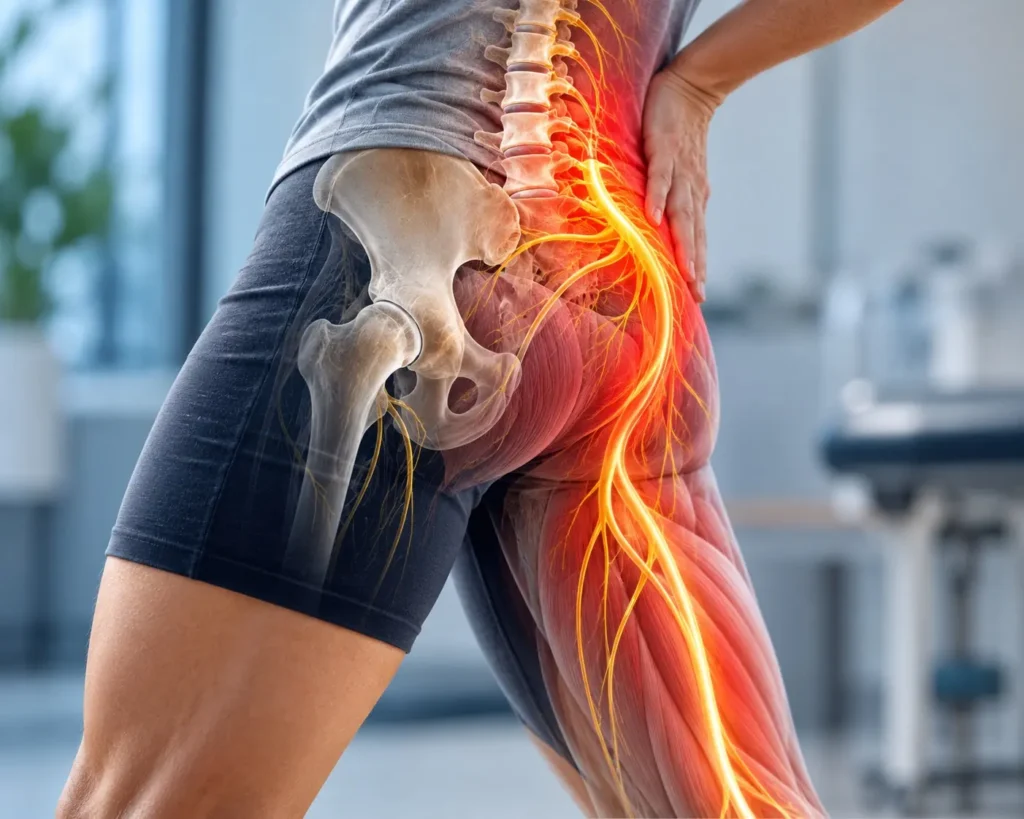
Lumbar Disc Herniation
MLS M8 is used as a supportive option in managing the pain, muscle spasm and inflammation that accompany lumbar disc herniation; it does not shrink the disc.
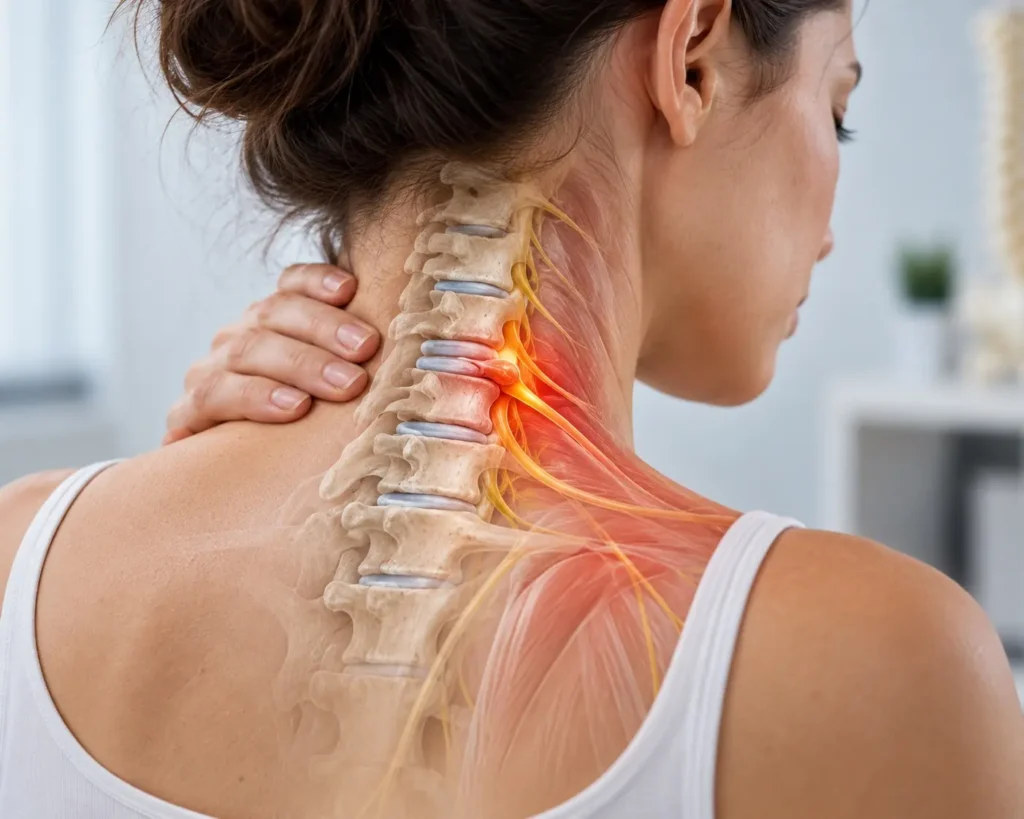
Cervical Disc Herniation
It is considered a supportive application aimed at reducing pain and muscle spasm in the neck and shoulder girdle.
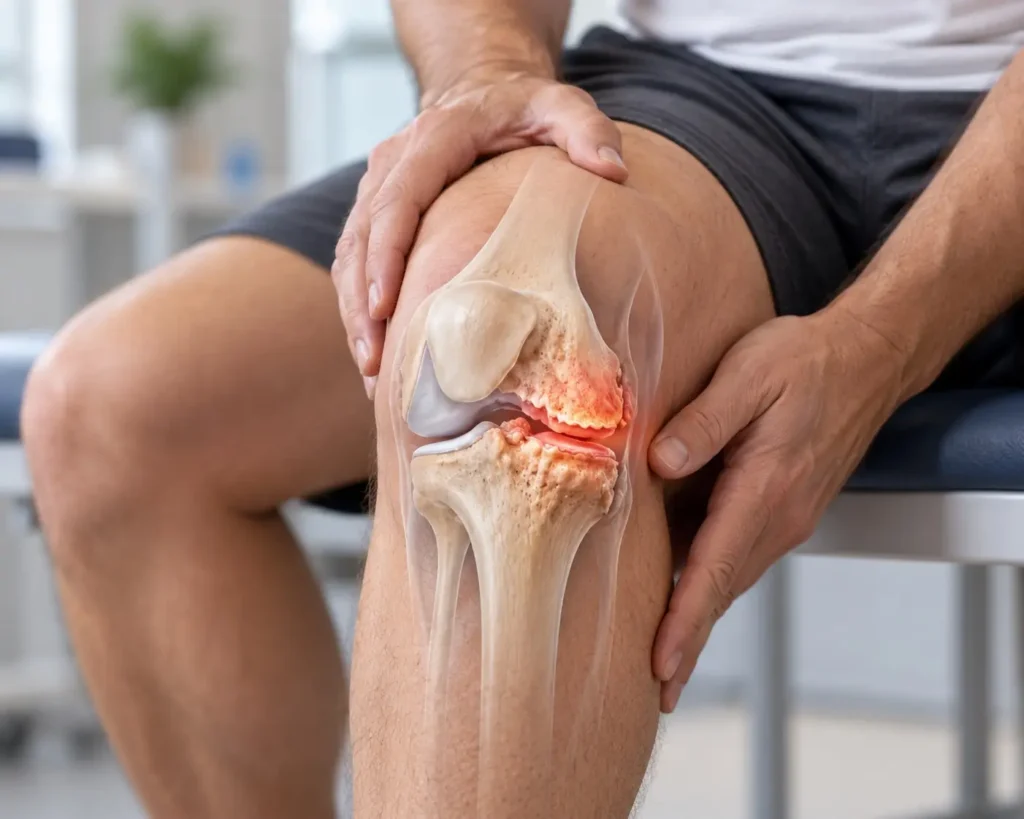
Knee Osteoarthritis
In knee pain and limited movement caused by osteoarthritis, it can be used to support pain management and rehabilitation.
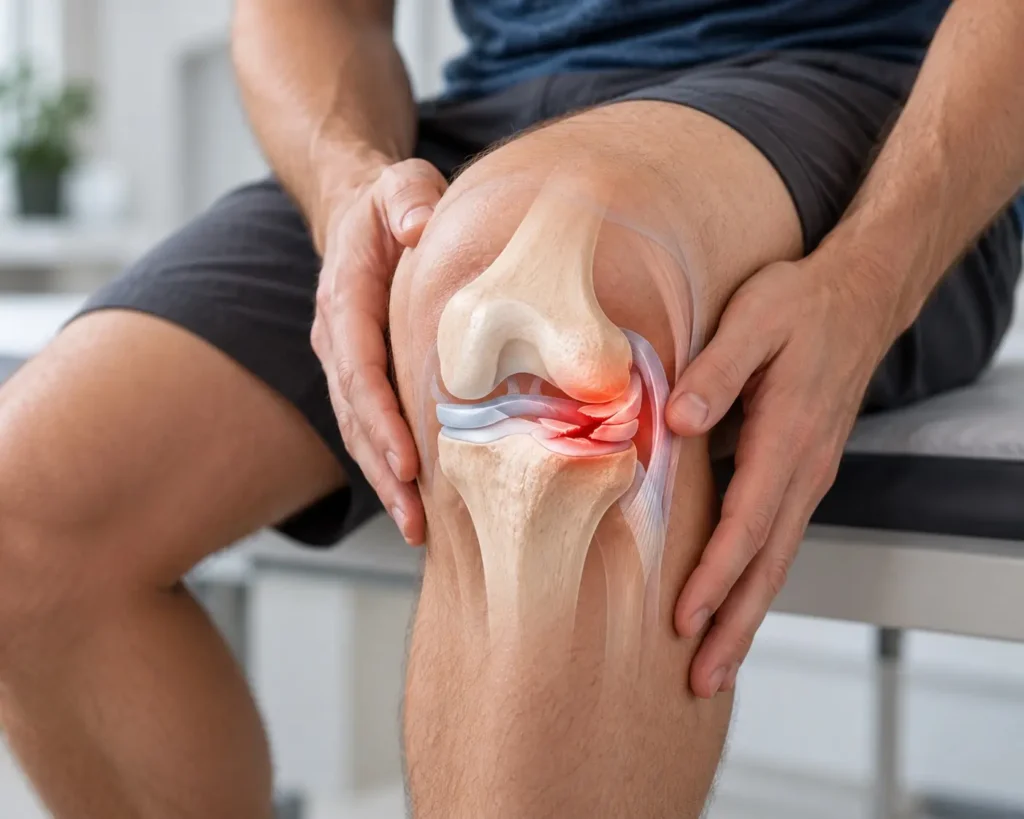
Meniscus Problems
In managing the pain and swelling that accompany meniscus problems, it is considered an option that supports the rehabilitation process.
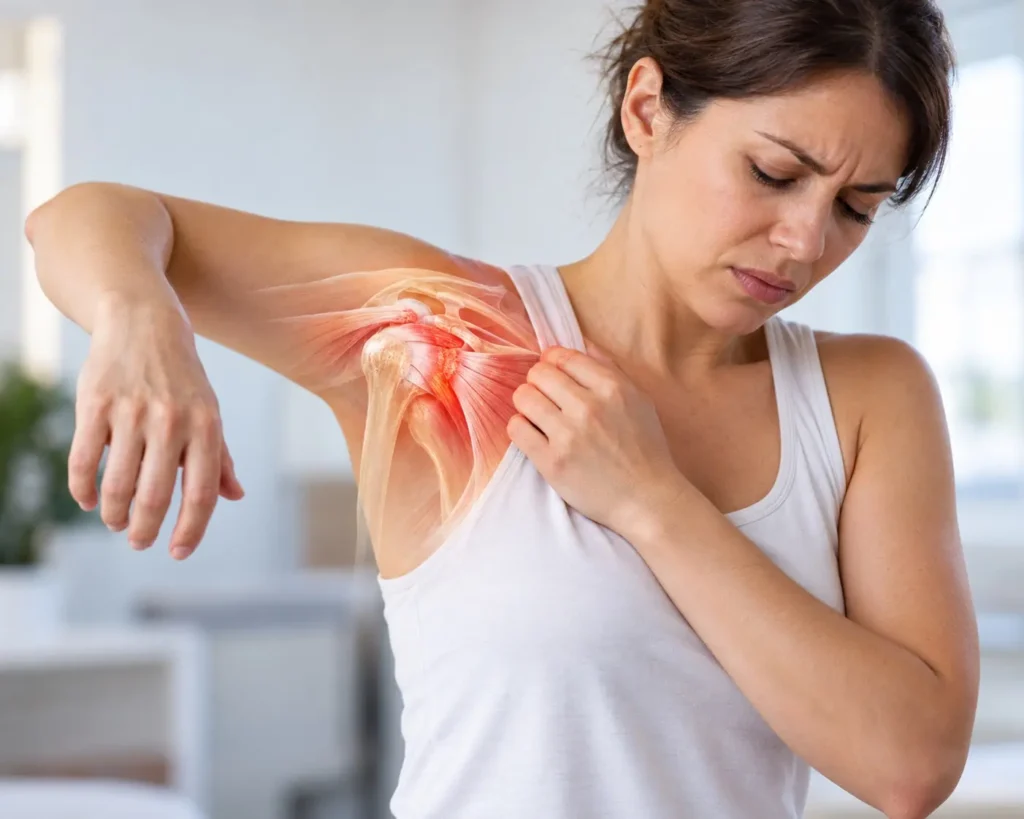
Shoulder Pain and Frozen Shoulder
It can be used to help manage pain and limited movement in rotator cuff problems and frozen shoulder, supporting the exercise program.
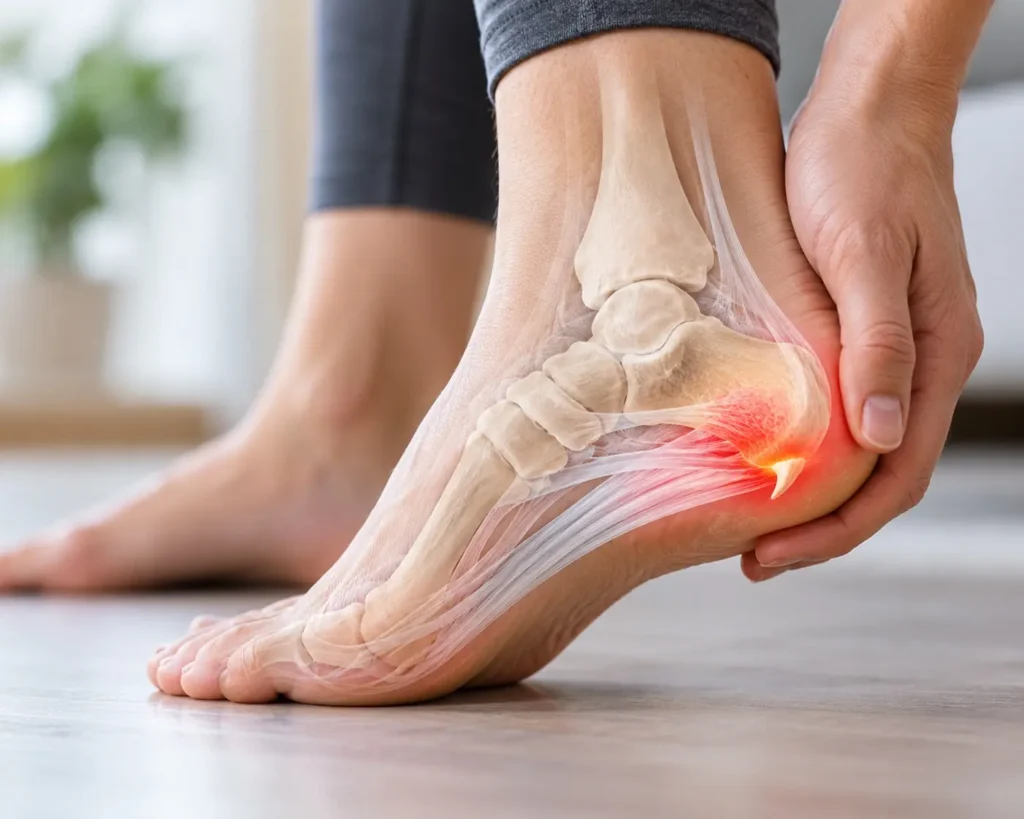
Heel Spur – Plantar Fasciitis
In heel spur and plantar fasciitis, it can be used to support the management of morning first-step pain; results vary from person to person.
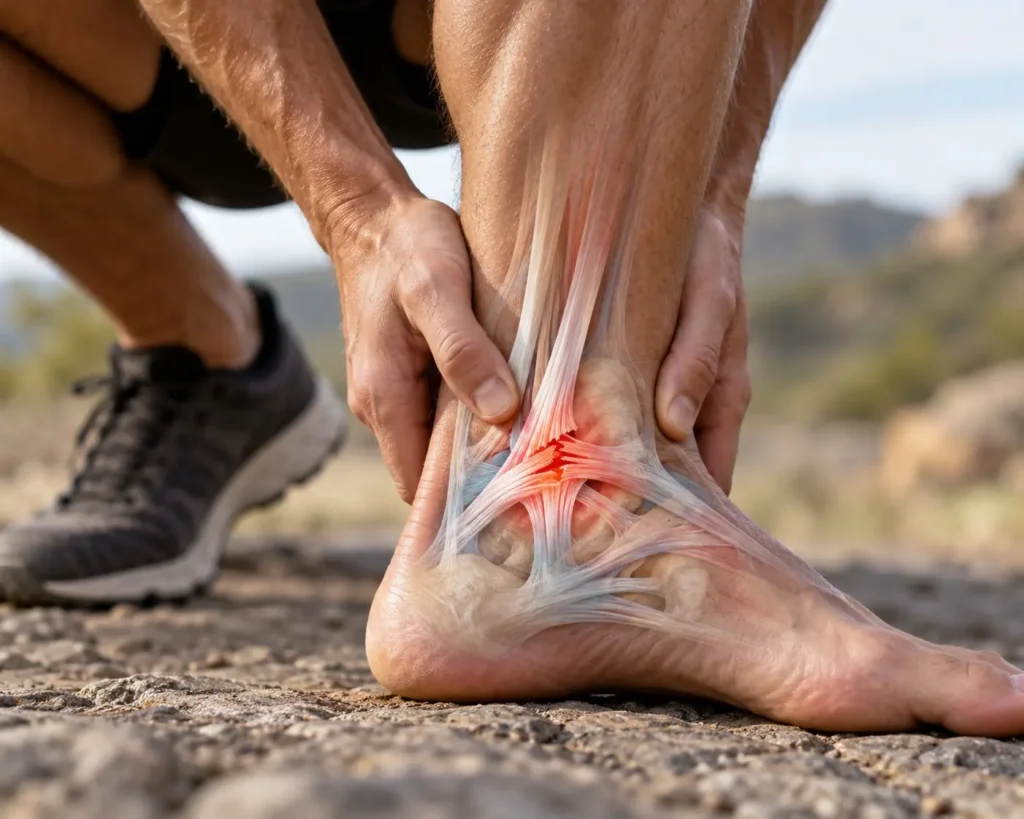
Tendon and Ligament Injuries
In tendinopathy and ligament injuries, it can be used to help manage pain and loss of function, supporting rehabilitation.
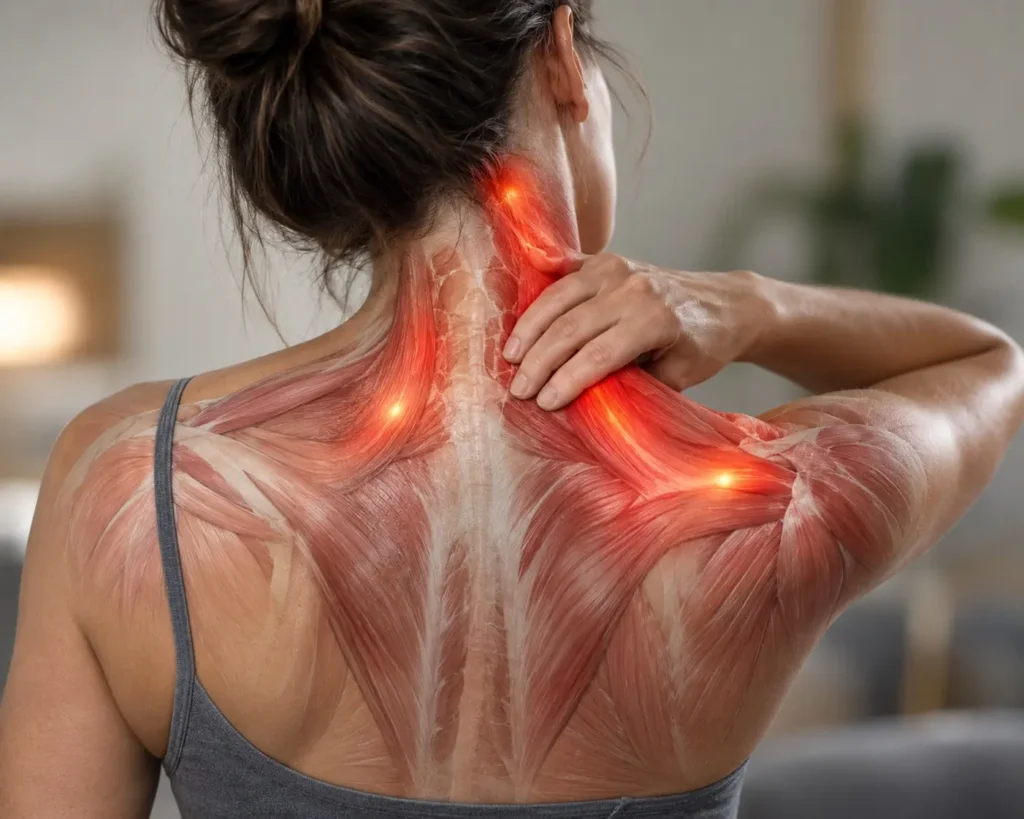
Muscle Spasms and Muscle Knots
In muscle tension and myofascial pain, it is used as a supportive application aimed at increasing comfort of movement.

Sports Injuries
In muscle, tendon and ligament injuries, it can be used to support pain and edema management and the rehabilitation process.
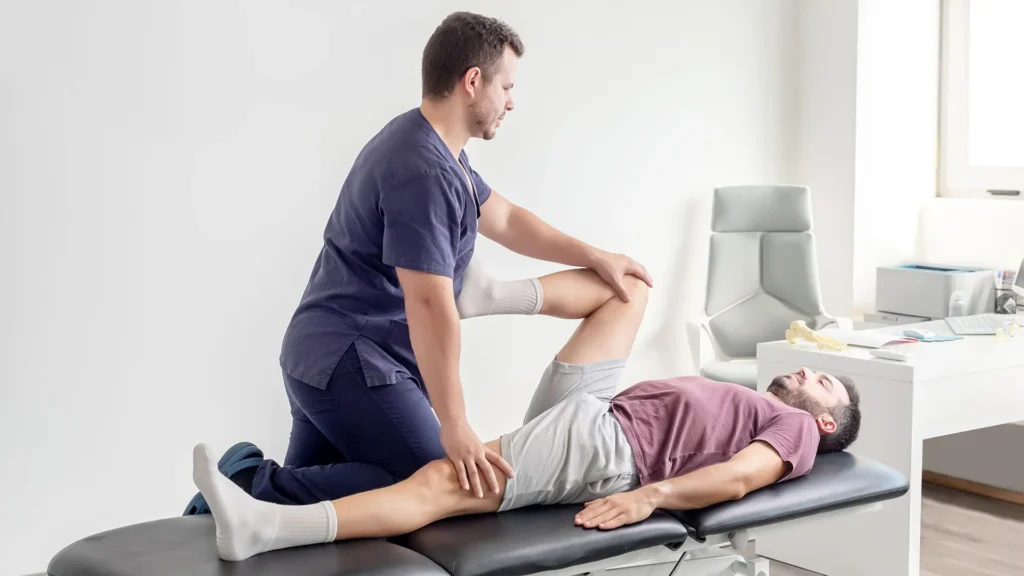
Joint Instability
In pain around the joint and ligament complaints, it can be used to support the rehabilitation program.
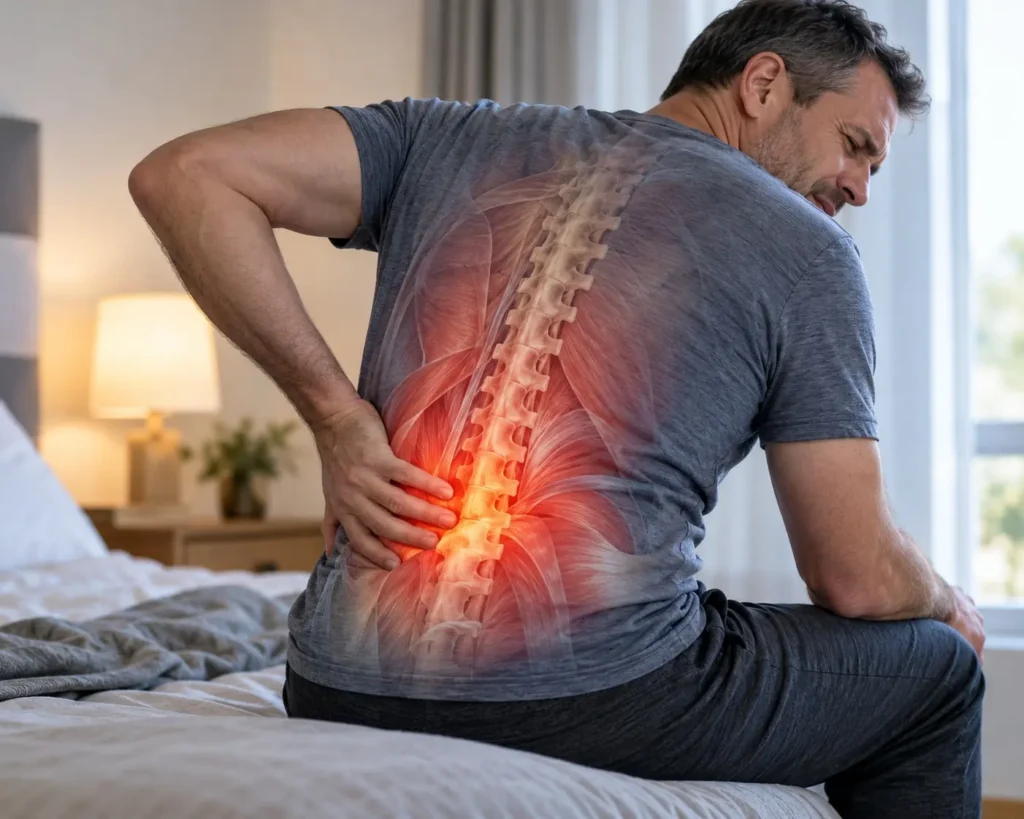
Chronic Pain
In long-term musculoskeletal pain, it is considered in selected patients as part of the pain management plan.
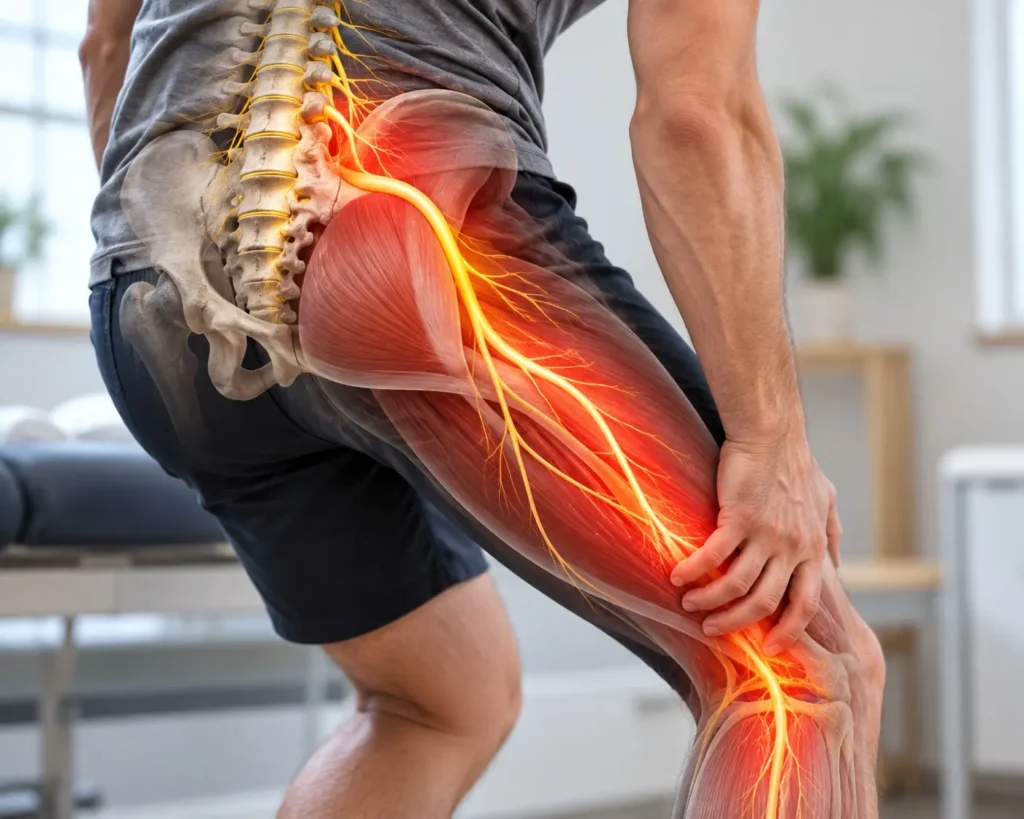
Nerve-Related Pain
In pain caused by nerve compression, it may be considered in selected patients after clinical evaluation, to support pain management.
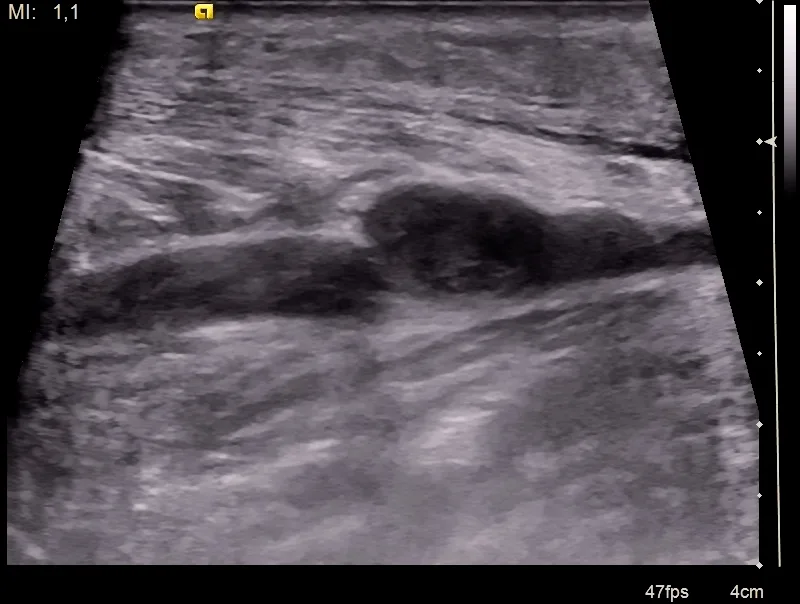
Soft Tissue Injuries
In soft tissue injuries, it can be used to support pain and edema management and the healing process.
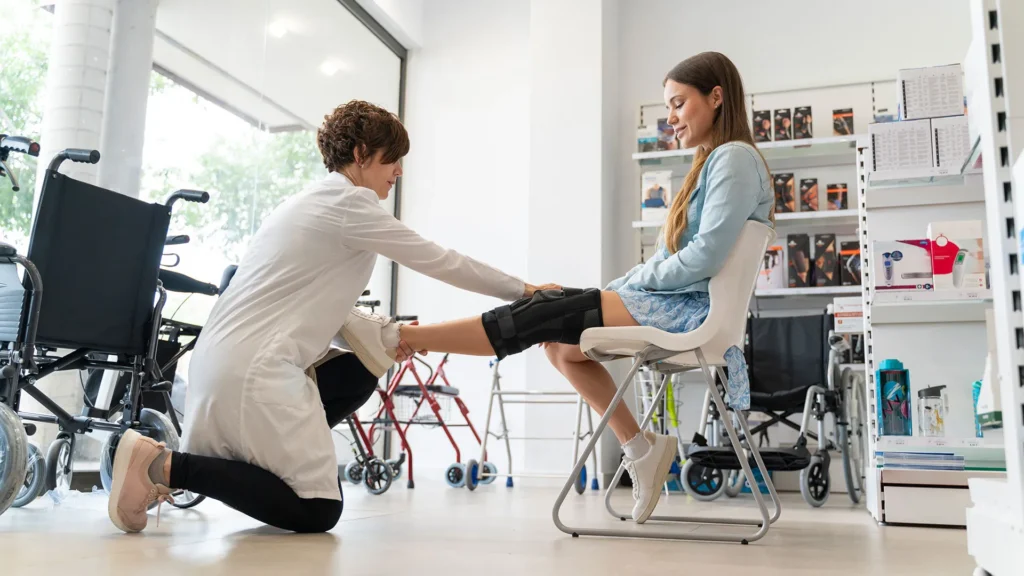
Post-Surgical Rehabilitation
In pain, edema and limited movement after surgery, it can be used with the physician’s approval to support the rehabilitation process.
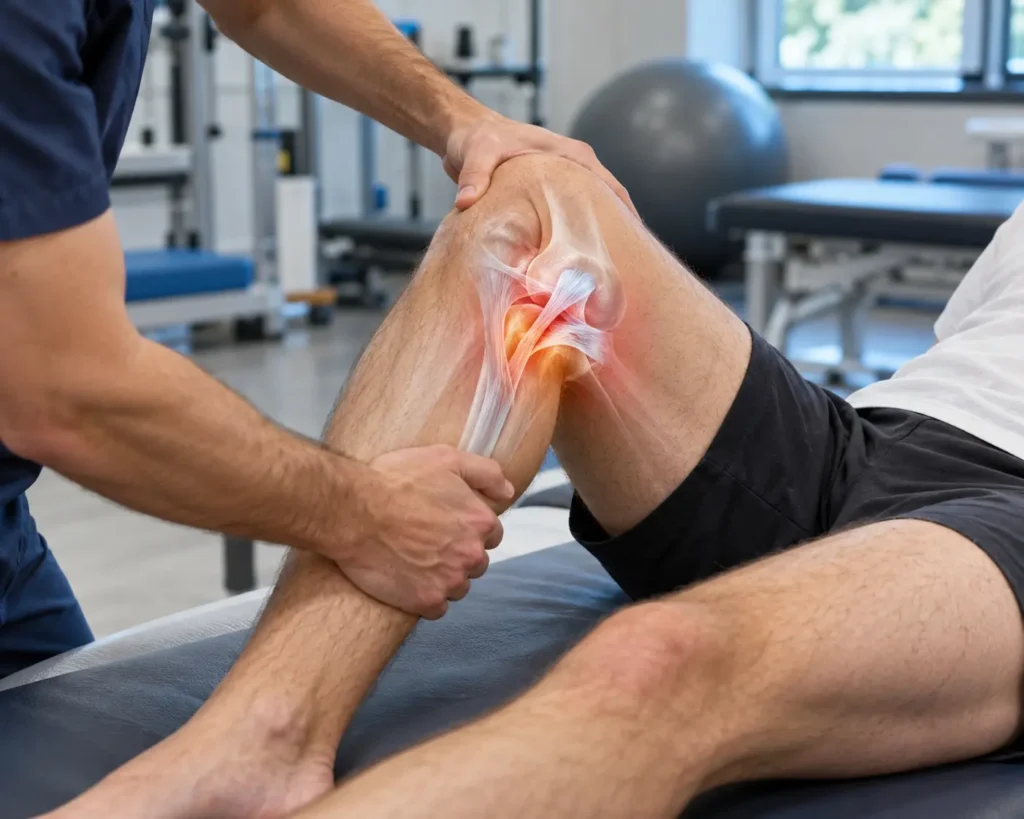
Use Together with Physical Therapy
Applied together with physical therapy programs, it can help reduce pain and make it easier to follow exercise.
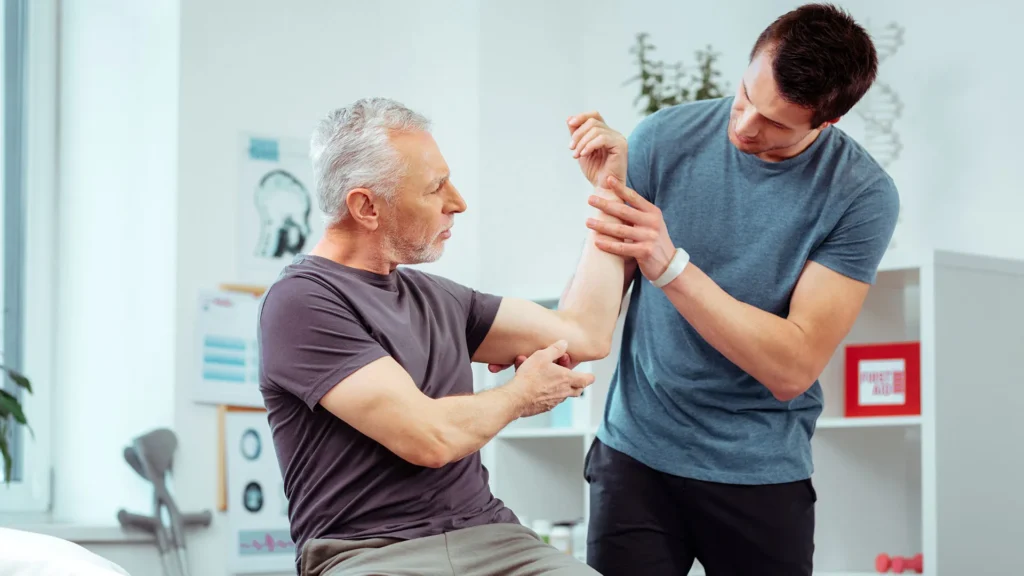
Use at an Advanced Age
In older patients with accompanying diseases, it can be considered as a non-drug pain management option.
Does MLS M8 Robotic Laser Therapy Work for Knee Osteoarthritis and Meniscus Problems?
MLS M8 can be considered in some knee pain to support comfort of movement and rehabilitation.
View Details
In knee osteoarthritis, pain, stiffness and limited movement can make daily life difficult.
Some studies on photobiomodulation have reported positive results in knee osteoarthritis in terms of pain and function. However, the devices, doses and study results used differ.
In meniscus problems, MLS M8 can be considered in suitable patients as a supportive option in managing symptoms. It should not be claimed that it repairs a meniscus tear or regenerates worn cartilage.
Exercise, rehabilitation and other treatment options remain important.
How Is MLS M8 Robotic Laser Therapy Applied in Heel Spur and Shoulder Pain?
In suitable patients, MLS M8 can be planned according to the targeted area in managing pain in the heel and shoulder region.
View Details
In heel pain, the sole and the area around the heel are evaluated; suitable shoes, insoles and loading pattern are also part of the plan.
In the shoulder, rotator cuff problems, tendinopathies and frozen shoulder may require different plans; in frozen shoulder, movement exercises and rehabilitation continue.
The robotic head follows the determined area in a contactless and controlled manner. Duration, area and parameters are determined individually.
Use Together with Other Treatments
MLS M8 can be an option on its own, and in suitable patients it can also be planned together with other approaches by the physician's decision.
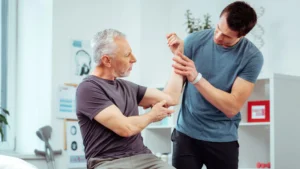
How Can Ozone Applications Be Combined with MLS M8 Robotic Laser Therapy?
Ozone applications and MLS M8 are different treatment approaches. Their combined use can only be planned after a separate suitability evaluation for each.
View Details
Ozone therapy is a separate application considered in certain clinical situations. MLS M8, on the other hand, can be used with photobiomodulation technology to support pain management and rehabilitation.
When combining these two methods is considered, the patient's diagnosis, treatment goal, possible risks and other treatments are taken into account.
Without sufficient evidence, no claim should be made that MLS M8 definitely increases the effect of ozone application or shortens the recovery time by a certain percentage.
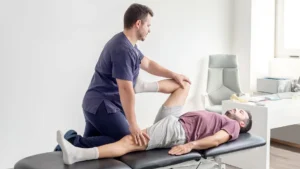
How Are Prolotherapy and MLS M8 Robotic Laser Therapy Applied Together?
Prolotherapy and MLS M8 are two applications that can be considered for different purposes in selected musculoskeletal problems.
View Details
Prolotherapy is an injection-based method considered in certain tendon and ligament problems.
MLS M8, on the other hand, is a laser system used to reduce pain and support rehabilitation.
In suitable patients, these methods can be considered within the same treatment plan; however, it should not be accepted as certain that the combination gives better results than either application alone.
The order, interval and suitability decision of the applications depend on the evaluation of the physicians concerned.
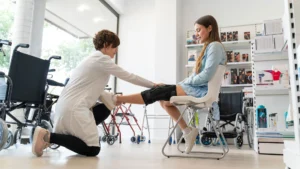
How Compatible Are Dry Needling and Neural Therapy with MLS M8 Robotic Laser Therapy?
Dry needling, neural therapy and MLS M8 are different methods. Their use in muscle pain and the rehabilitation process should be evaluated separately.
View Details
Dry needling is an application used especially in some myofascial pain and muscle tension problems.
Neural therapy is a different injection-based approach and is not the same method as dry needling.
In patients considered suitable, MLS M8 can be evaluated as support for the pain management and rehabilitation plan.
If these methods are used together, timing and patient suitability must be determined by the physician. No definite superiority or guaranteed benefit of combined application should be claimed.
How Is MLS M8 Treatment Applied?
Treatment is a five-stage process that begins with an examination. The duration and number of sessions are determined by the physician according to the patient.
Stage 1 — Patient evaluation
Complaints, examination findings, MRI/X-ray results if available, and medical history (such as medications, pregnancy, tattoos, implants, diabetes) are reviewed. The suitability decision is made at this stage.
Stage 2 — Determining the treatment area
The area to be treated and the device parameters (power level, frequency, duration and scanning mode) are determined according to the physician’s plan.
Stage 3 — Preparing the patient
The patient is placed in a position suitable for the treatment area; the patient and everyone in the room wear protective laser goggles. Tattoos, piercings and the condition of the skin are checked.
Stage 4 — Robotic application
The robotic head works automatically over the determined area and does not touch the patient. The application is supervised by healthcare staff from beginning to end.
Stage 5 — Follow-up after the session
The patient’s response is evaluated, possible side effects are asked about and the next sessions are planned. Duration and number of sessions are not the same for everyone.
What Should Be Considered After Treatment and During the MLS M8 Robotic Laser Therapy Process?
During the treatment process, it is important to follow the physician's recommendations and to continue a suitable movement and exercise plan.
View Details
Continue the exercises recommended by your physician; avoid movements that increase the complaint, sudden heavy lifting and strenuous twisting movements. Long rest is not recommended for every patient.
Smoking can negatively affect blood flow to tissues; quitting or reducing it is beneficial during the healing process.
It should not be assumed that vitamins, collagen or other supplements increase the effect of MLS M8; their use depends on the physician's evaluation.
If complaints increase or new numbness or weakness develops, consult your physician.
Robotic Advantages of MLS M8
The advantages provided by the robotic head are primarily related to application technique and comfort. This does not mean that they improve the treatment outcome in every patient.
Product image: MLS M8 device. This is not a clinical application photograph.
Automatic robotic application
The head moves in a controlled and repeatable way according to the set program.
Precise targeting
The application is planned for the area determined for treatment.
Controlled laser energy
Power level, frequency and duration can be adjusted; the energy is calculated from these parameters.
Efficient application process
Automation can make the application efficient by reducing the need for the operator to hold the head by hand.
Focusing on the target area
Spot application or a scanning pattern is chosen according to different areas.
Scanning large areas
According to the manufacturer, the robotic unit allows large muscle and joint areas to be scanned in a single pass.
Contactless and comfortable application
Because the head works without touching the patient, no pressure is applied to the painful area.
Who Is MLS M8 Treatment Suitable For?
In which patients can it be considered?
- Musculoskeletal pain
- Certain joint pain
- Tendon and ligament problems
- Selected pain originating from the lumbar and cervical spine
- Soft tissue rehabilitation
- Chronic pain management
- Suitable rehabilitation patients
In which situations should caution be taken or the treatment not be applied?
Contraindications stated by the manufacturer
- Irradiation of the eyes and the area around the eyes (the only absolute contraindication)
- Pregnancy
- Active bleeding
- Use of photosensitizing medication
- Areas with a tumor (neoplasm)
Situations requiring caution
- Areas over growth plates
- Patients with diabetes
- Areas with tattoos or piercings: not irradiated directly
- Around prostheses and osteosynthesis material: surrounding tissues are treated, direct irradiation is avoided
- Other health conditions the physician does not find suitable
For Whom Is MLS M8 Robotic Laser Therapy Safe and In Which Situations Is It Not Applied?
Suitability is determined by examination. The contraindication and caution list above is based on the manufacturer's information.
View Details
MLS M8 does not require a surgical incision, but it cannot be applied to every patient or every body region.
Be sure to tell the physician at the examination about conditions such as a pacemaker, epilepsy, active infection, history of cancer, or medications you use regularly; suitability is determined by the physician accordingly.
The full evaluation is made according to the manufacturer's user manual and the clinical situation.
Frequently Asked Questions
What is MLS M8 Robotic Laser Therapy?
MLS M8 is a therapy device developed by ASA Laser that uses Multiwave Locked System technology, which synchronizes 808 nm continuous and 905 nm pulsed laser light, with a robotic head. It is used to support the rehabilitation process in managing pain and edema originating from muscles, tendons, ligaments and joints. It is not a surgical procedure.
How does MLS M8 Robotic Laser Therapy work?
The robotic head irradiates the selected area in spot or scanning mode with the power, frequency and duration settings determined by the physician. It is thought that light can act on pain, inflammation and microcirculation by interacting with cells. The head does not touch the patient, and the application is performed under the supervision of healthcare staff.
Is MLS M8 Robotic Laser Therapy painful?
According to the manufacturer, the application is non-invasive and does not cause pain; at most there may be a mild, non-disturbing feeling of warmth. There are no needles, incisions or anesthesia. Because the painful area is not touched, most patients find the application comfortable. If you feel any discomfort, simply tell the healthcare staff.
How many sessions of MLS M8 Robotic Laser Therapy are applied?
In the manufacturer’s general information, series of 5–10 sessions are mentioned for most cases; in acute conditions generally fewer, in chronic conditions more sessions may be needed. Sessions may be planned frequently in the first week and less often afterwards. This is not clinical evidence or a center protocol; the exact number of sessions is determined by the physician according to the condition, the stage and the response, and is not the same for everyone.
How many minutes does a session take?
According to the manufacturer’s general information, a session usually takes 5–10 minutes; the duration varies according to the size of the treated area, the condition and skin characteristics. When preparation and evaluation are included, the time spent at the center may be longer.
Does MLS M8 treatment have side effects or risks?
The manufacturer does not report serious side effects, but no treatment is risk-free. Because of the risk of eye damage, protective goggles are mandatory; the application is not performed in pregnancy, active bleeding, tumor areas and use of photosensitizing medication. Areas with tattoos and piercings are not irradiated directly; diabetes and growth plates require caution. A mild feeling of warmth or a temporary increase in pain may be reported.
What should I prepare before treatment?
Bring your MRI, X-ray and lab results if you have them, a list of the medications you use, and notes about conditions such as tattoos, implants or pregnancy. Choose comfortable clothing that gives easy access to the treatment area.
Does the treatment replace medication or physical therapy?
No. MLS M8 is generally an application that supports the existing treatment plan. The need for medication, exercise and physical therapy is evaluated by the physician; do not stop your medications without consulting your physician.
Get Information About MLS M8 Robotic Laser Therapy
For your back, neck, joint or muscle pain, you can contact MediHeart Medical Center to get information about MLS M8 Robotic Laser Therapy and for a suitability evaluation.